Black History Month
February 2026
February is Black History Month, and this year's theme is “A Century of Black History Commemorations,” marking 100 years of national observances dedicated to honoring the lives and achievements of African Americans. This milestone is an opportunity to not only reflect on history, but also to consider how Black history continues to shape our communities today.
Black History Month began in 1926 by historian Carter G. Woodson, and has grown into a month-long observance that encourages learning, dialogue, and reflection across the country. February was chosen to align with the birthdays of Frederick Douglass and Abraham Lincoln, two pivotal figures in the abolition of slavery.
Now and throughout the year, we acknowledge and appreciate the lasting influence of the Black community in culture, art, education, field, profession, civic life, social movements, and the everyday experiences that shape our shared society. This includes recognizing the 5.6 million Black Americans living with a disability. We would like to recognize and appreciate a handful of examples of Black individuals who have made lasting contributions within their communities and across the globe.
Harriet Tubman (c. 1822-1913)
Harriet Tubman experienced epilepsy and chronic pain resulting from a traumatic head injury. She is renowned for her leadership on the Underground Railroad, where she helped free dozens of enslaved people, and for her service as a Civil War nurse, scout, and spy.

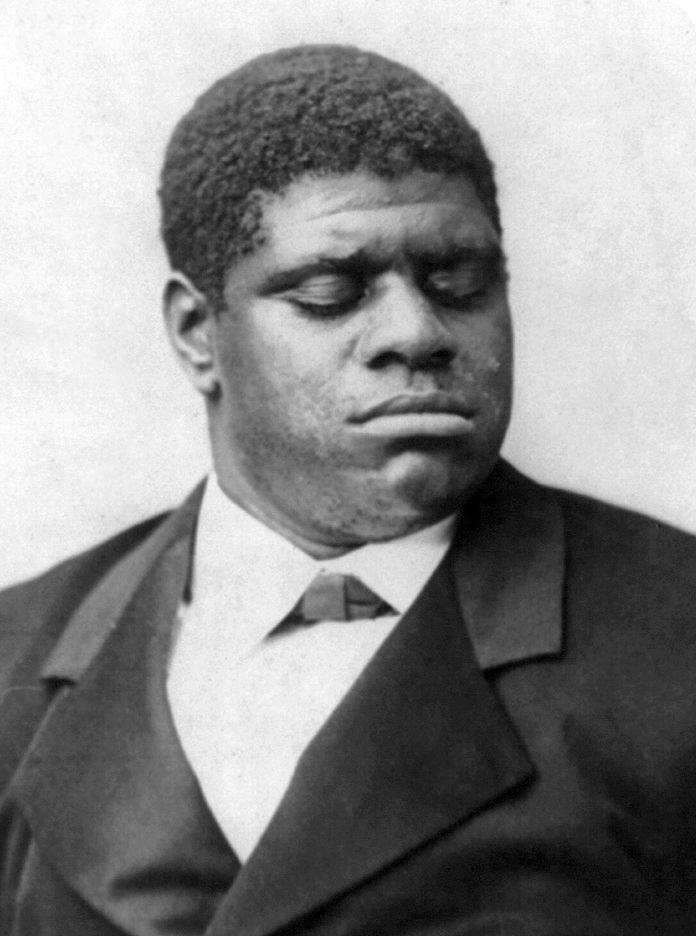
Thomas Wiggins (1849-1908)
Thomas “Blind Tom” Wiggins (1849–1908) was blind and autistic. A musical prodigy, he became one of the most celebrated pianists of the 19th century and performed internationally, astounding audiences with his memory and technical skill.
Fannie Lou Hamer (1917-1977)
Fannie Lou Hamer contracted polio as a child and later experienced lasting health complications. She was a pivotal civil rights leader, voting rights activist, and co-founder of the Mississippi Freedom Democratic Party.

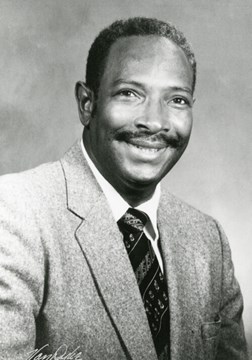
Dr. Andrew Foster (1925-1987)
Dr. Andrew Foster was deaf and is often referred to as the “Father of Deaf Education in Africa.” He founded schools for Deaf students in more than a dozen African countries and was the first Deaf African American to earn degrees from Gallaudet University and Eastern Michigan University.
Harry Belafonte (1927-2023)
Harry Belafonte was dyslexic. He was an acclaimed singer, actor, and global human rights activist, deeply involved in the civil rights movement and international social justice efforts.
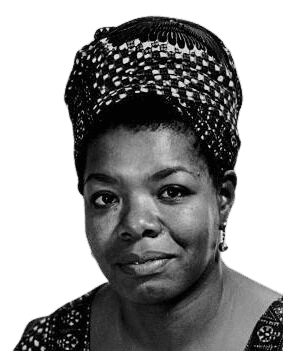
Maya Angelou (1928-2014)
Maya Angelou experienced selective mutism during childhood following trauma. She became an influential poet, memoirist, educator, and civil rights activist whose work reshaped American literature and cultural discourse.
Audre Lorde (1934-1992)
Audre Lorde lived with cancer and wrote openly about chronic illness. She was a poet, essayist, and activist whose work explored race, gender, sexuality, and disability, and continues to influence social justice movements today.
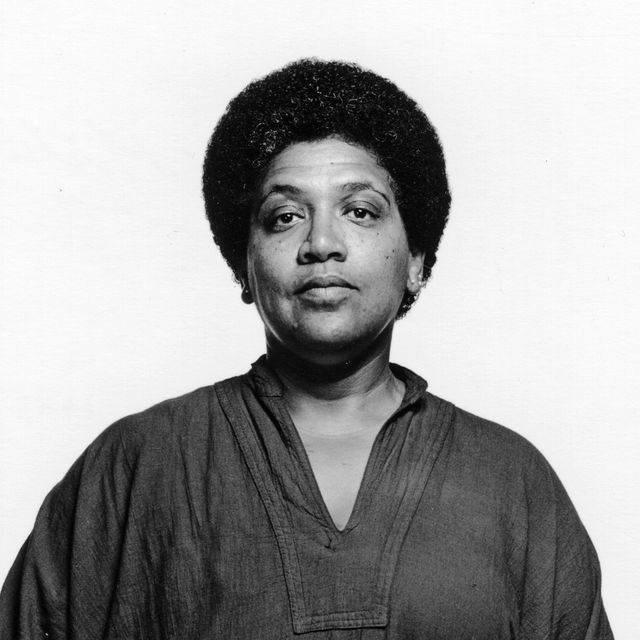
Johnnie Lacy (1937-2010)
Johnnie Lacy contracted polio and used a wheelchair. She was a disability rights activist and educator who played a key role in advancing independent living and disability justice movements, particularly at the intersection of race and disability.
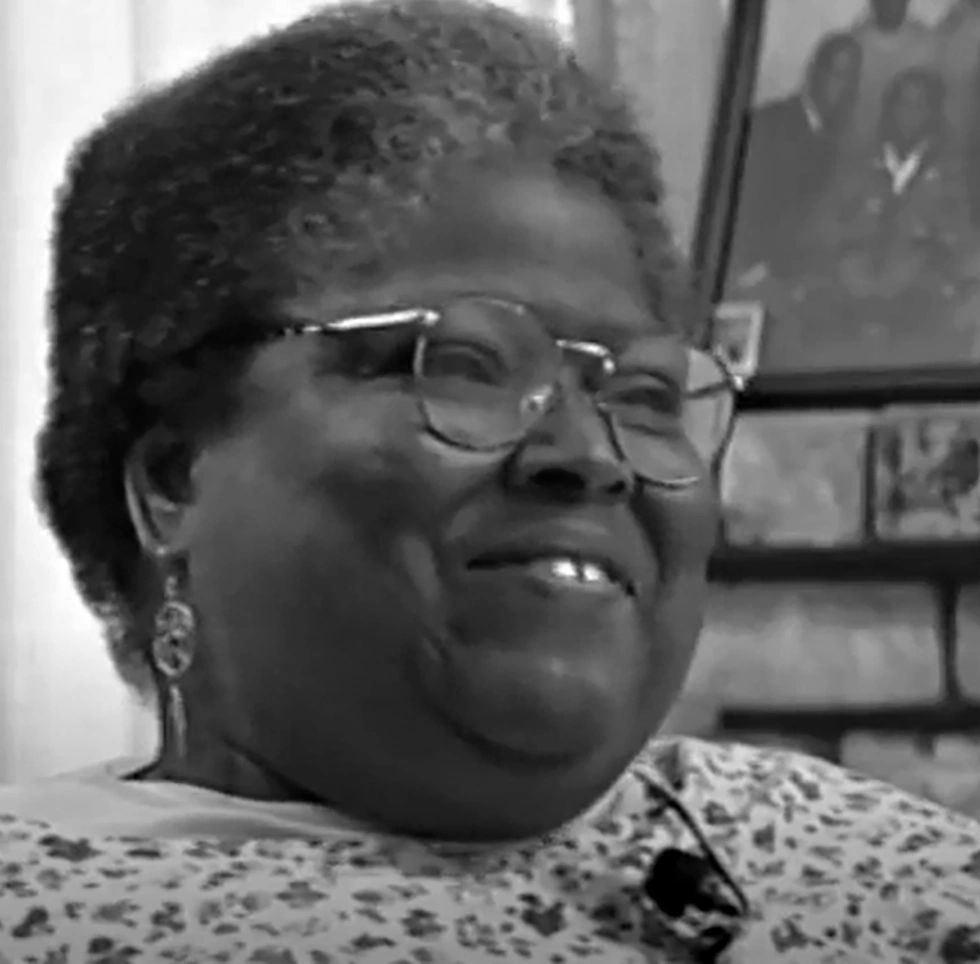
Wilma Rudolph (1940-1994)
Wilma Rudolph survived polio and other serious childhood illnesses that affected her mobility. She went on to become a world-class athlete and the first American woman to win three gold medals in a single Olympic Games.

Curtis Mayfield (1942-1999)
Curtis Mayfield was paralyzed from the neck down after a stage accident in 1990. Despite this, he continued to compose and record music, leaving a lasting legacy as a pioneering soul musician and social commentator.

Stevie Wonder (1950-present)
Stevie Wonder has been blind since shortly after birth. He is a legendary musician, songwriter, and producer whose work has profoundly shaped modern music and popular culture.
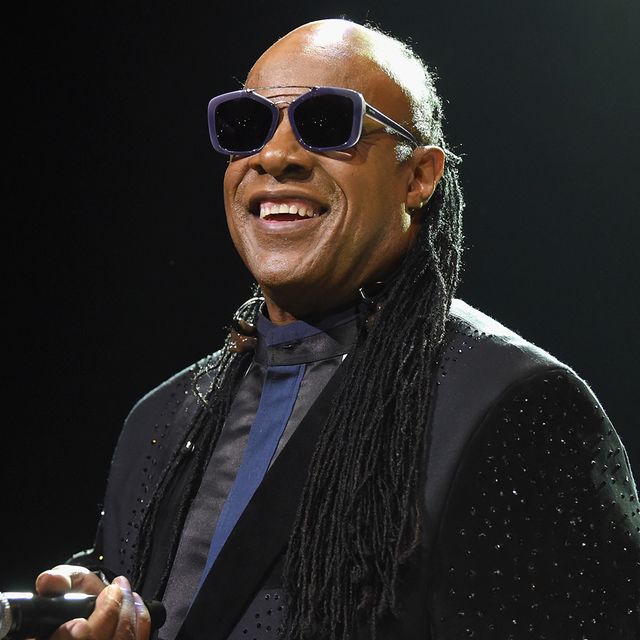
Halle Berry (1966-present)
Halle Berry lives with Type 1 diabetes and hearing loss. She is an Academy Award–winning actress and an advocate for diabetes awareness, disability inclusion, and efforts to end gender-based violence.
