Neuro-Inclusive Intentional Communities
A housing model that supports independence, connection, and lifelong belonging
What Is a Neuro-Inclusive Intentional Community?
Neuro-inclusive housing is housing that is designed to be both physically and cognitively accessible. It supports people who experience intellectual and developmental disabilities (I/DD) to lead full, meaningful lives without segregating or institutionalizing them.
Neuro-inclusive housing is:
- Integrated into the broader community
- Designed for choice, safety, and comfort
- Flexible across a range of support needs
- Not a licensed facility or institutional setting
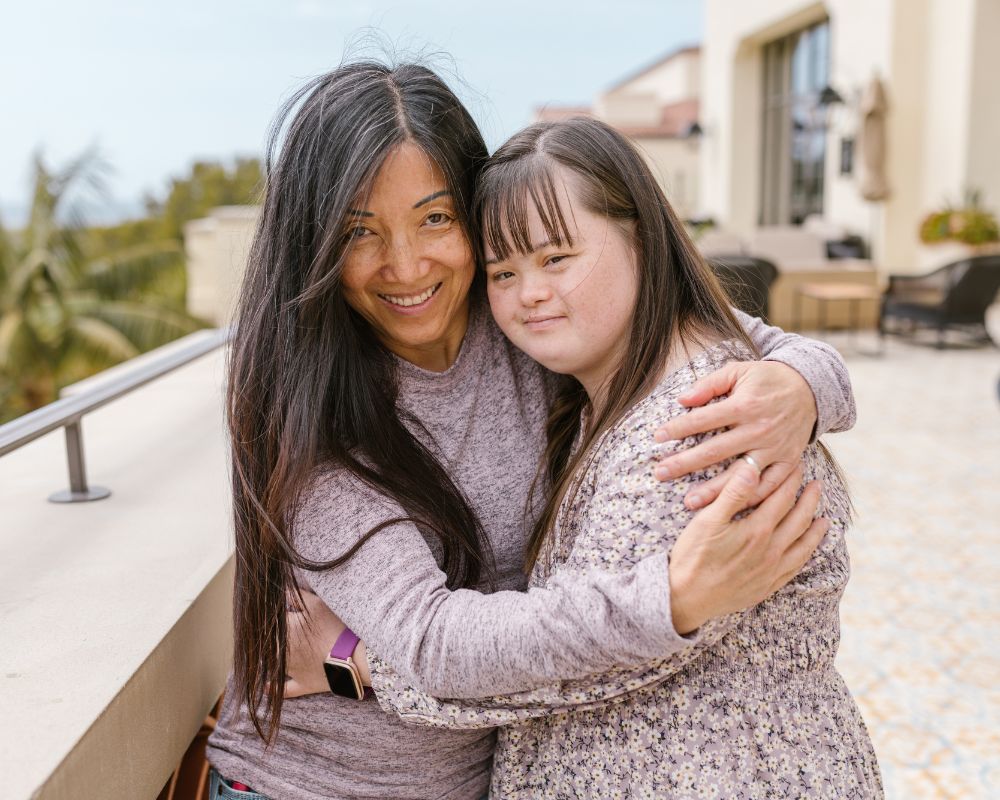

Most importantly, services are tied to the person—not the property—allowing residents to choose their own providers and maintain control over their lives. This framework is increasingly recognized nationally as a best practice for supporting adults with I/DD across the lifespan.
At a Glance
What it is
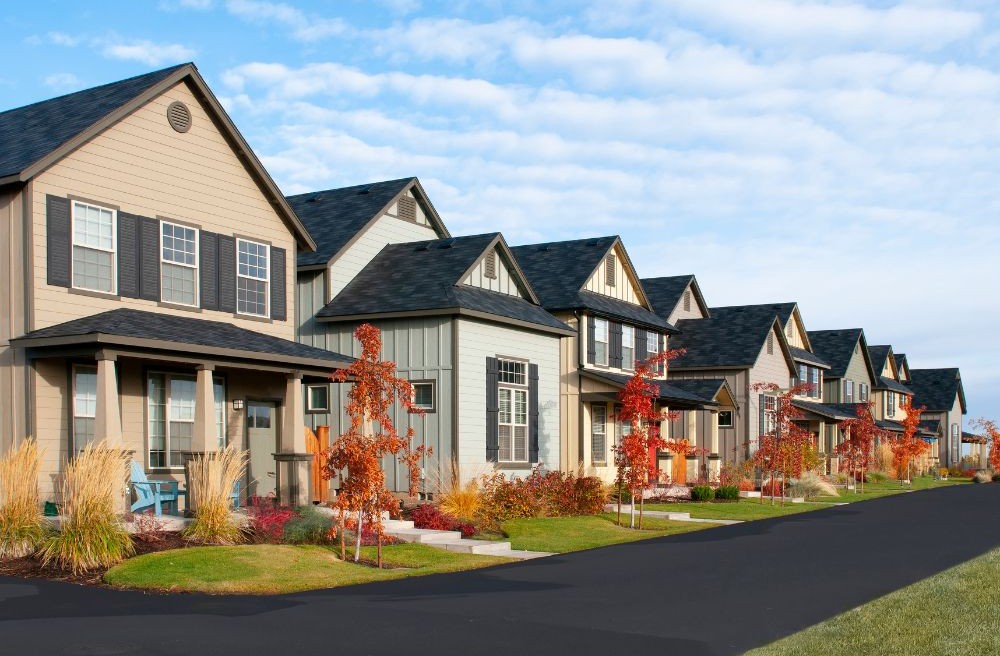
- Real homes in real neighborhoods
- Designed with sensory, cognitive, and physical accessibility in mind
- Housing that works across a wide range of abilities
- Supports are individualized and follow the person, not the unit
What it is not
- Not a licensed facility or other institutional-like setting
- Not a traditional group home
- Not one-size-fits-all
- Not dependent on family caregiving alone
Understanding I/DD and Neurodiversity
Intellectual and developmental disabilities include a wide range of conditions such as autism, Down syndrome, cerebral palsy, and other neurological differences. Neurodiversity recognizes that these differences are part of natural human variation, not deficits to be fixed.
People who experience I/DD have diverse strengths, preferences, and support needs. Some live independently with minimal assistance, while others benefit from in-home supports. Housing that honors neurodiversity is flexible, person-directed, and designed to evolve as needs change over time. A neuro-inclusive approach focuses on abilities, autonomy, and quality of life rather than diagnosis or limitations.
What Does Neurodiversity Mean?
Neurodiversity recognizes that there are many ways for a brain to work. Differences in thinking, processing, and communication are part of natural human variation.
Neuro-inclusive housing starts with this belief: people’s differences are not something to fix but something to design for and accommodate.
A neurodiversity-informed approach:
- Focuses on strengths, not deficits
- Values choice and self-direction
- Designs environments that reduce barriers
- Allows people safe and accessible ways to age in place
Why Neuro-Inclusive Housing Matters
Across Alaska, people who experience intellectual and developmental disabilities (I/DD) and their families are facing a growing housing crisis. Adults with I/DD want what everyone wants: a safe, stable home; meaningful relationships; and the freedom to live their lives with choice and dignity. Yet for many, housing options are limited, fragmented, or dependent on aging family caregivers.
Neuro-inclusive housing responds to this gap by intentionally aligning housing design, support services, and community connection. It moves away from institutional models and toward living environments that foster independence, belonging, and long-term stability.
For aging parents and caregivers, the question is deeply personal: What will happen when I can no longer provide support? Neuro-inclusive intentional communities offer peace of mind by creating sustainable, lifelong housing options that do not rely solely on family caregiving.
For People with I/DD
Having a home that is designed for your needs changes everything. Neuro-inclusive housing supports independence while ensuring help is available when needed.
It offers:
- A stable place to live
- Privacy and personal space
- Choice in daily routines and supports
- The ability to stay in one home long term
A home is more than a place to live—it’s the foundation for a full life.
For Families and Caregivers
Many families provide support for decades, often with little relief. As caregivers age, the uncertainty about the future can be overwhelming.
Neuro-inclusive housing:
- Reduces reliance on aging caregivers
- Provides long-term stability
- Allows families to stay involved without being the sole support
- Offers peace of mind about what comes next
This model helps ensure loved ones are supported—even when families can no longer do it alone.
For Communities
Inclusive housing benefits entire communities, not just individuals with I/DD. It strengthens neighborhoods, reduces isolation and homelessness, creates sustainable housing solutions, and reflects shared values of dignity and belonging. When housing works for people with I/DD, it works better for everyone.
Intentional Communities in Alaska
Alaska’s geography, climate, and limited housing stock make inclusive housing particularly challenging. Long winters, transportation barriers, and service gaps can intensify isolation for people with I/DD.
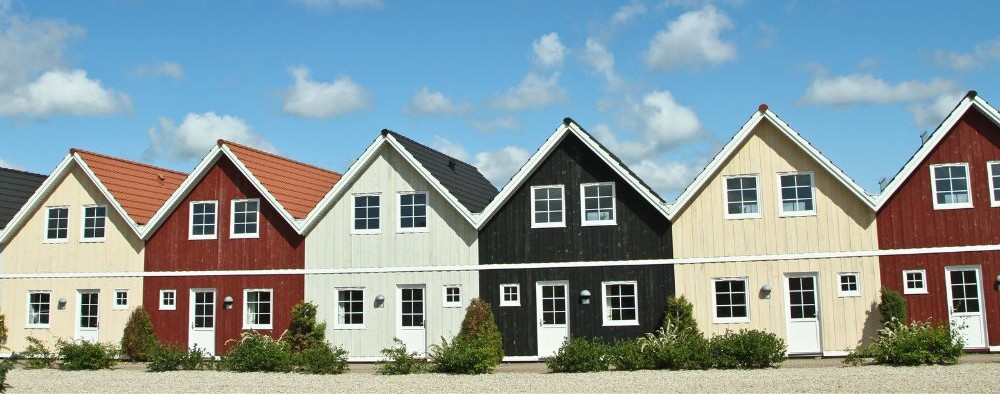
The Mat-Su Valley offers an opportunity to create a small-scale, community-based housing model that is:
- Close to town services and transportation
- Embedded in the broader community
- Designed for year-round accessibility
- Scaled intentionally to support meaningful community connections
This model envisions three to four homes, each serving three to four individuals, allowing residents to age in place while remaining connected to neighbors and supports.
Hope currently operates two intentional communities—one in Kenai and one in Willow.
Supports for Semi-Independent Living
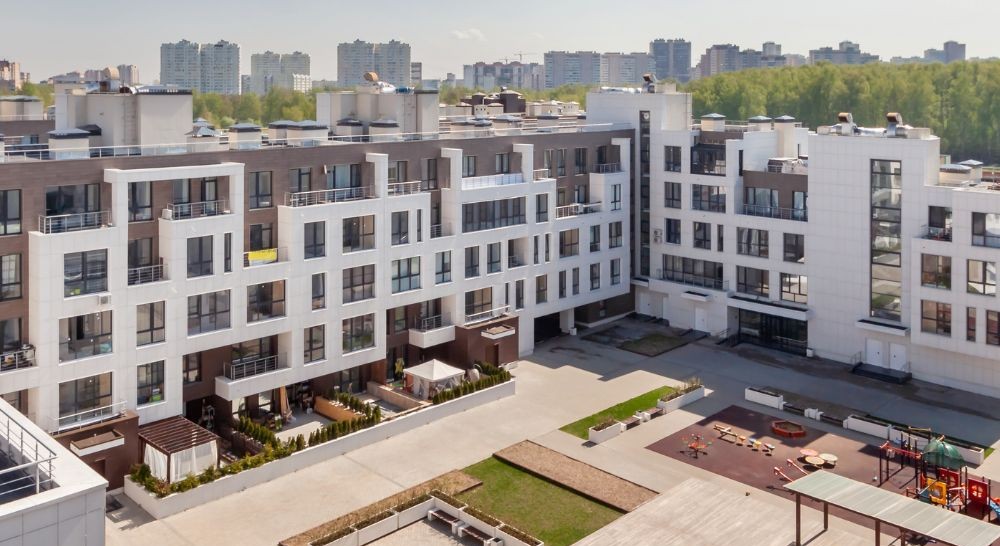
Neuro-inclusive design supports comfort, predictability, and safety without feeling institutional. Homes are designed to feel like homes, not programs. Each resident has their own private, personal space, while shared areas encourage optional social interaction. Residents live independently while accessing in-home supports as needed. Supports are individualized and may include daily living assistance, skill-building and coaching, health and safety supports, assistive technology, and transportation coordination. Services are funded through Medicaid waivers or other individualized funding streams and are not tied to the housing itself. This separation protects resident choice and long-term stability.
When appropriate housing is unavailable in Alaska, people with I/DD may experience housing instability, emergency placements, or even out-of-state institutional care, which can be costly and disconnect them from family and community. Stable, community-based housing paired with in-home supports reduces crises, preserves relationships, and keeps Alaskans with I/DD living in their home state.

70-75%
Up to 3 out of 4 adults with I/DD live with a family caregiver, most often a parent. As caregivers age, many families worry about what will happen next. Semi-independent housing with in-home supports helps bridge the gap between family caregiving and full independence.
<15%
Thousands of Alaskan adults experience I/DD, yet fewer than 15% receive Medicaid waiver-funded long-term support services at any given time. When services are tied to individuals rather than housing, people with access to supports can remain in their homes even as their needs or providers change.
25%
State planning data indicate that approximately one in four family caregivers is age 60 or older, placing many households at risk of sudden housing and support crises. Semi-independent housing with in-home supports provides a stable option before families reach a breaking point.
Aging in Place & Generational Living
Neuro-inclusive housing is designed for aging in place, allowing people the stability to remain in their homes as their needs change. Supports can increase or decrease over time without requiring relocation. This also gives aging parents confidence that their loved one will not be forced to move as caregivers age or circumstances change.
It also supports generational living, which allows people of different ages and life stages to live alongside one another, including people with I/DD, other aging community members, and, in some cases, family members who choose to live on-site. This arrangement supports natural mentorship, shared responsibility, and peer relationships that develop through daily interaction rather than formal programming. Having family members and elders nearby strengthens continuity, reduces isolation, and helps create a stable community that can adapt and support residents over time.
What happens when I can no longer support my loved one?
If you’re supporting a loved one with I/DD, you’ve probably asked yourself what the future will look like for your loved one, especially when you are no longer able to provide supports. In Alaska, most adults with I/DD still live at home with family because there are so few other options. Neuro-inclusive housing with in-home supports gives families another path. It means your loved one can have their own home, people nearby who understand them, and help when it’s needed—without losing independence or connection to you.
Physical Amenities
- Accessible design (ADA basic)
- Adaptable design
- Universal design
- Cognitive accessibility features
- Easy-to-clean features
- Extra-durable features
- Security features
- Sensory-friendly design
- Smart-home features
- Pedestrian-oriented
- Recreational amenities
- Relaxation amenities
- Common area space
- Transit access
Looking Ahead: Building a Sustainable Future
Neuro-inclusive intentional communities require collaboration among families, housing developers, service providers, advocates, and funders. When housing, supports, and community are aligned, outcomes improve for everyone.
This model represents a long-term investment in dignity, independence, and belonging—one that supports individuals with I/DD not just today, but for the rest of their lives.
Share Your Voice and Lived Experience
People with I/DD, families, and caregivers are encouraged to share what home, safety, independence, and community mean to them. These insights will directly inform housing design, support models, and community priorities.
Help Shape the Vision
Community members and neighbors can help define what it looks like to live well together—how homes are arranged, how shared spaces are used, and how the community stays connected to the surrounding area.
Build Partnerships
Sustainable neuro-inclusive housing requires collaboration among families, service providers, housing developers, local organizations, tribal partners, and funders. Identifying shared goals early helps align resources and reduce long-term barriers.
Explore Funding and Policy Pathways
Funders, policymakers, and advocates can help identify capital, operating, and service funding opportunities, as well as zoning or policy considerations that support small-scale, community-based housing models.
Stay Engaged as Planning Progresses
Participants are invited to stay involved through future listening sessions, advisory groups, or project updates. Ongoing engagement ensures the community remains person-centered, transparent, and responsive as plans take shape.
Support Hope's Neuro-Inclusive Intentional Communities ProjectSend us an Email


